Get the house ready before your parent comes home
Bring your parent home to a safer house. Write down the discharge date, then make the three fixes below.1
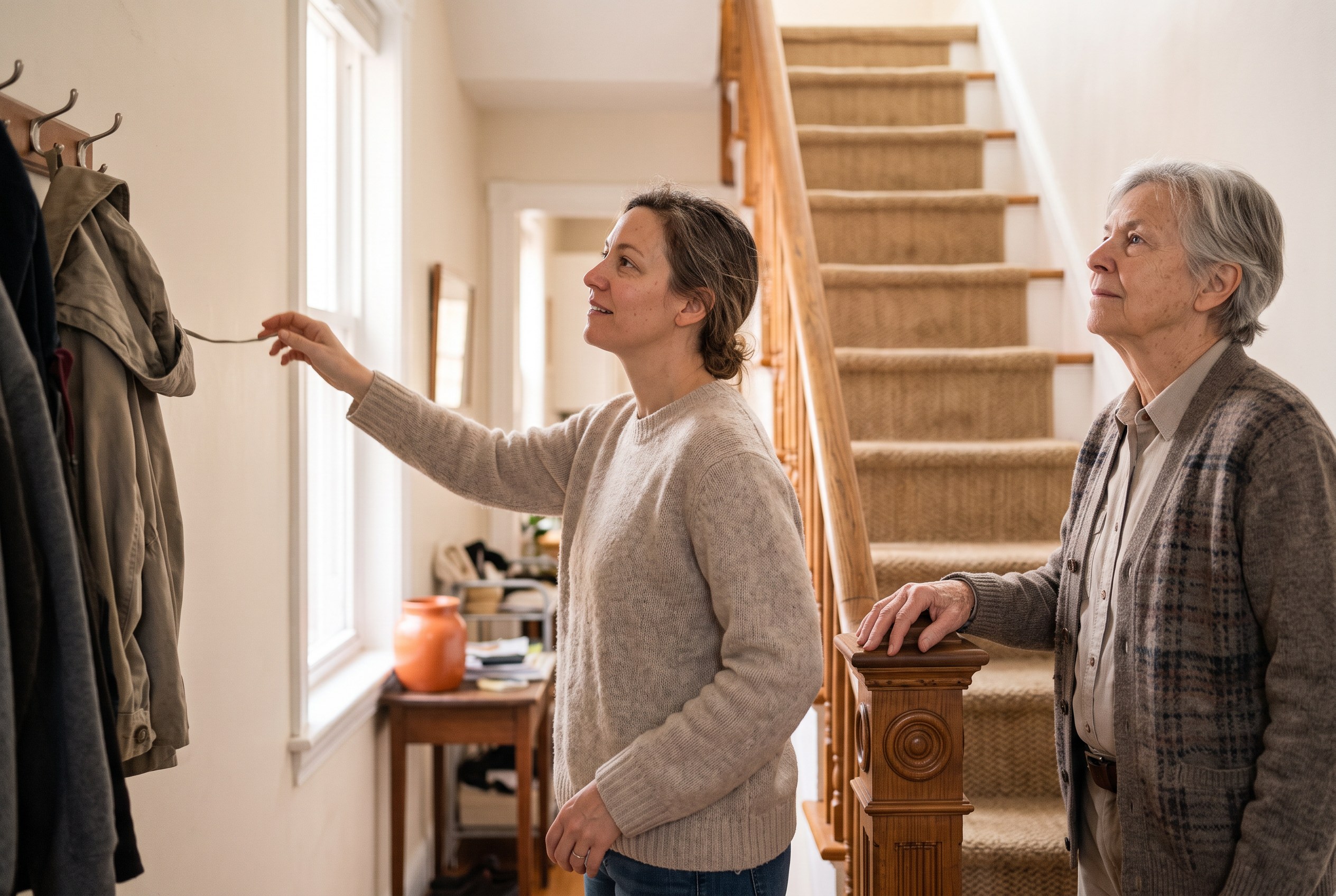
Help your parent get around the house again
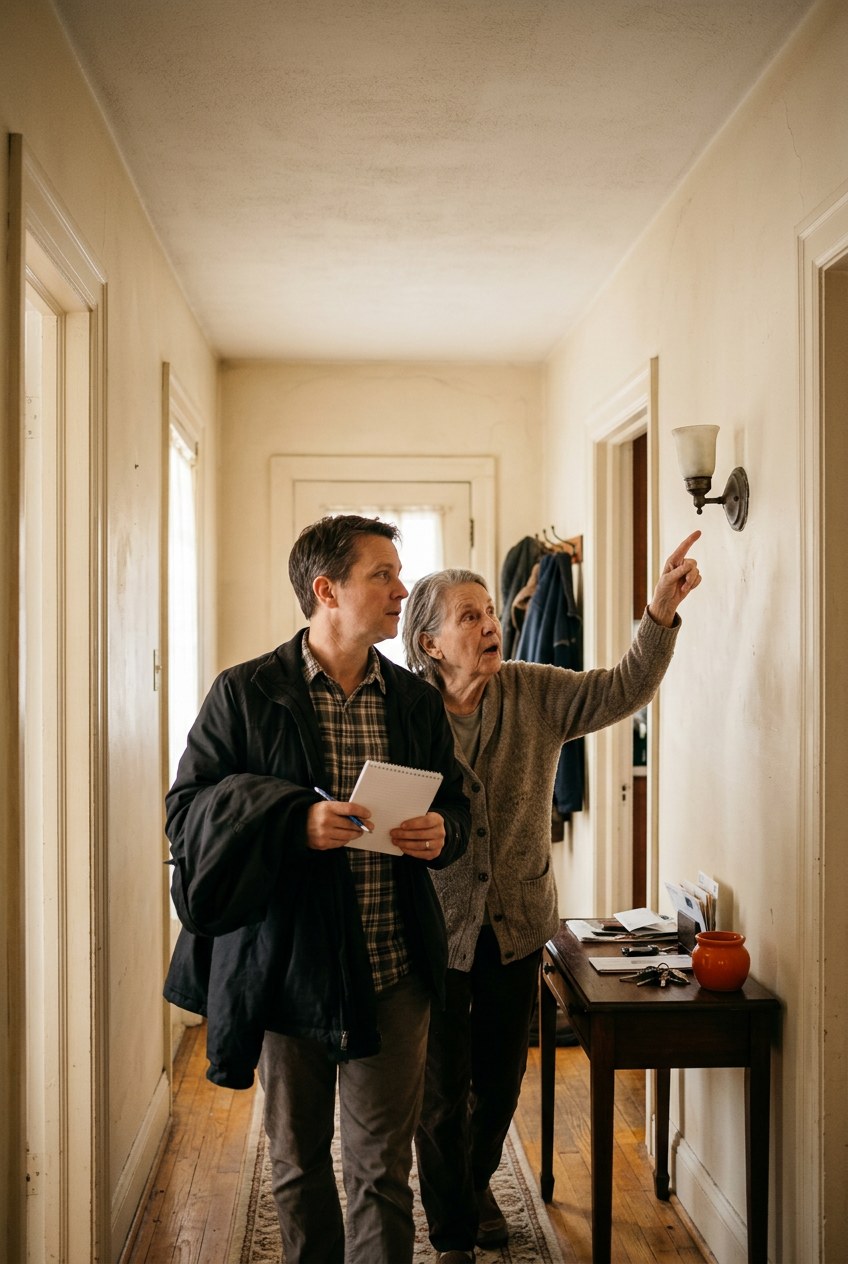
Quick fixes for any room
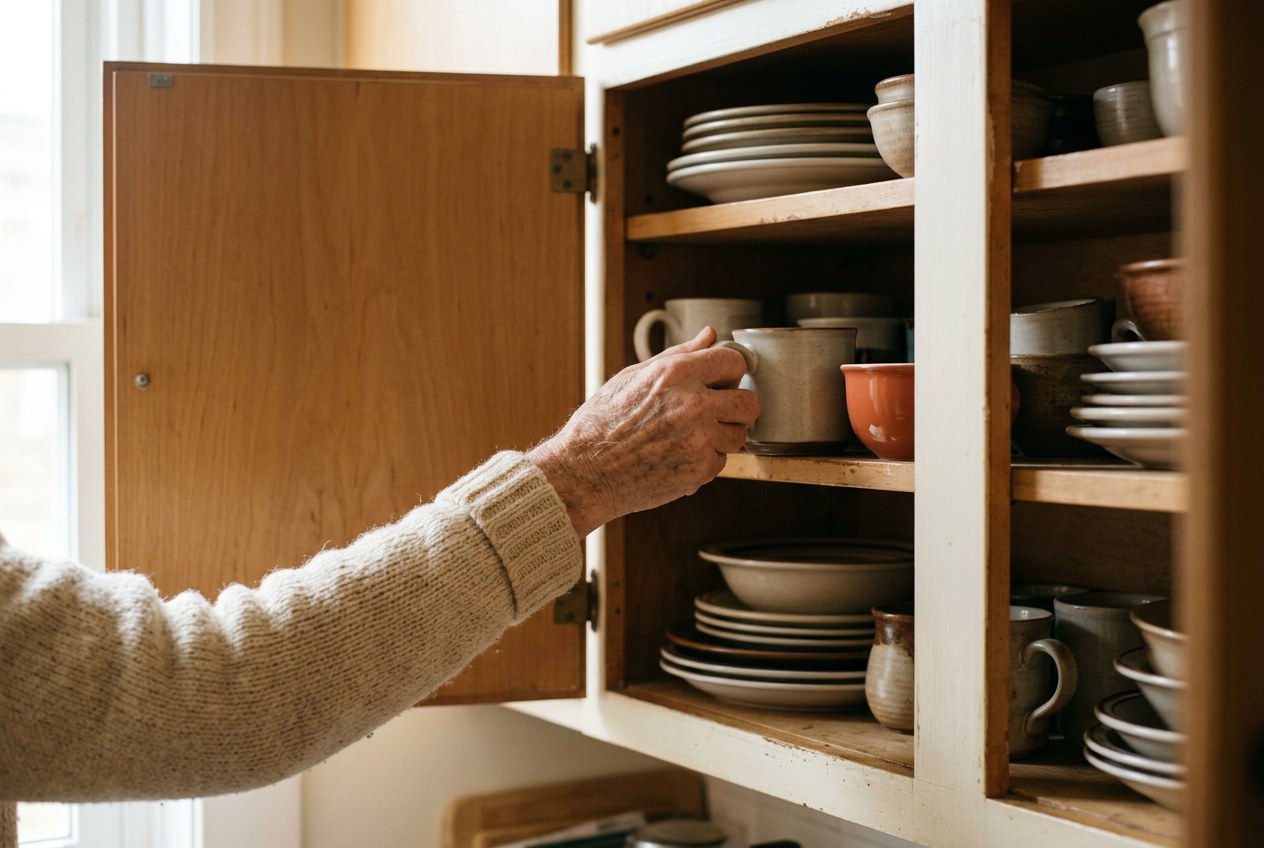
Then walk these four spots
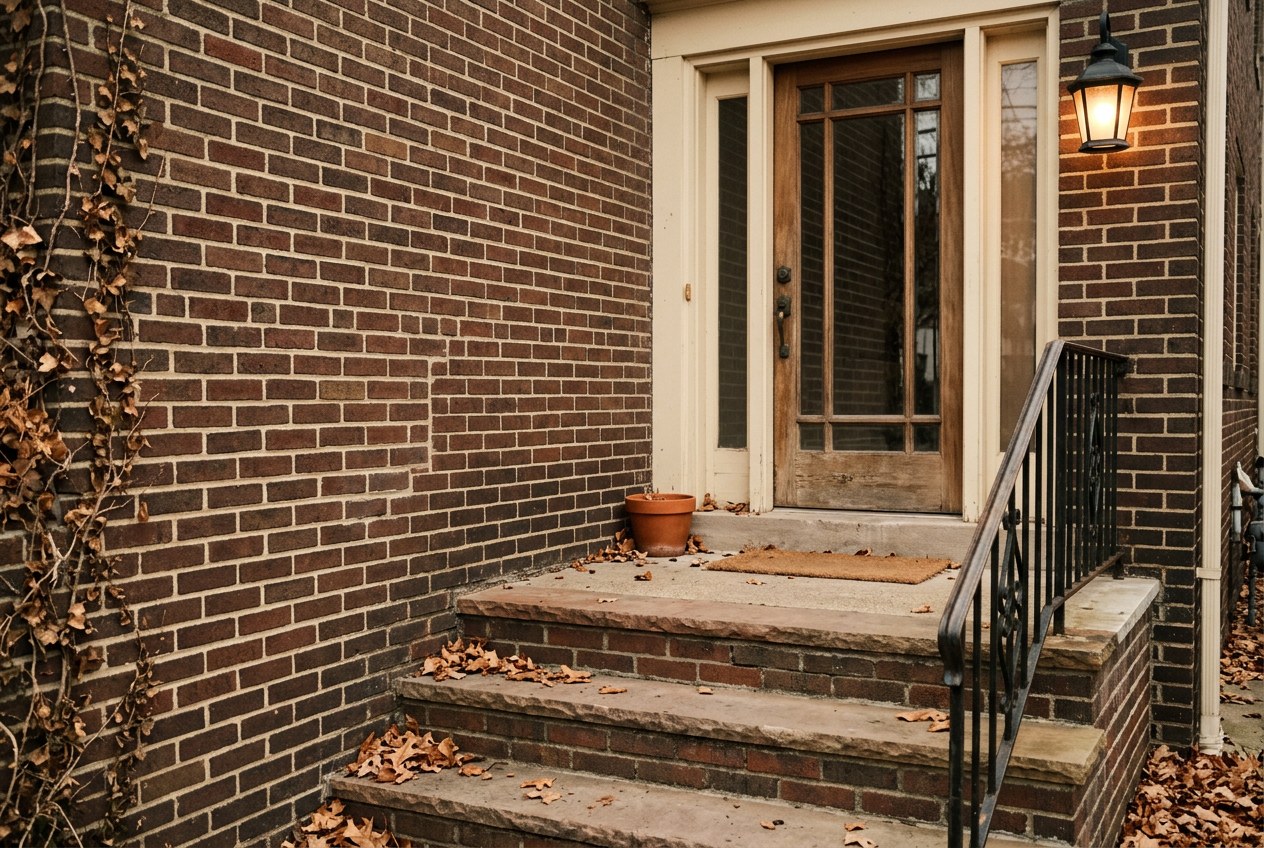
Entry and outside steps
Look for broken or uneven steps and get them fixed. Keep handrails firm on both sides.1
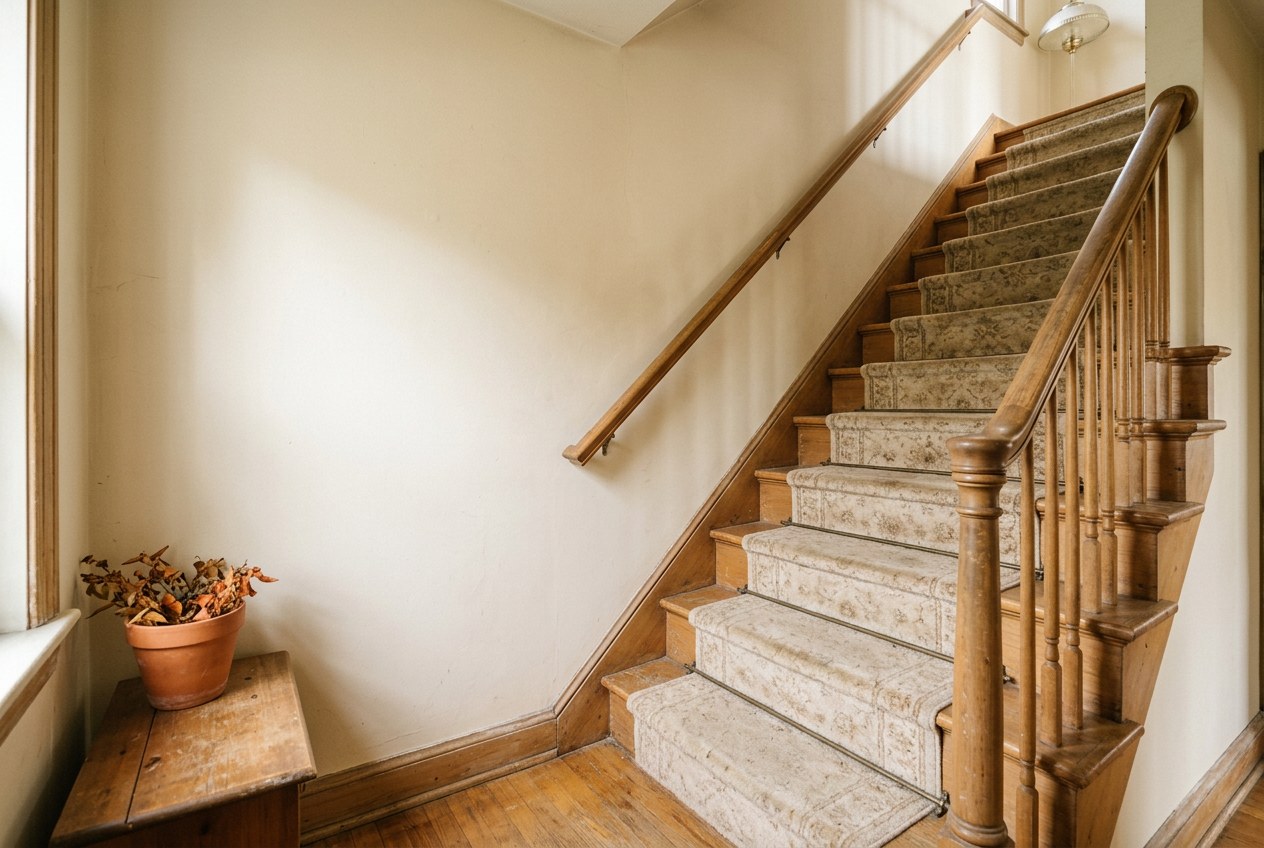
Stairs
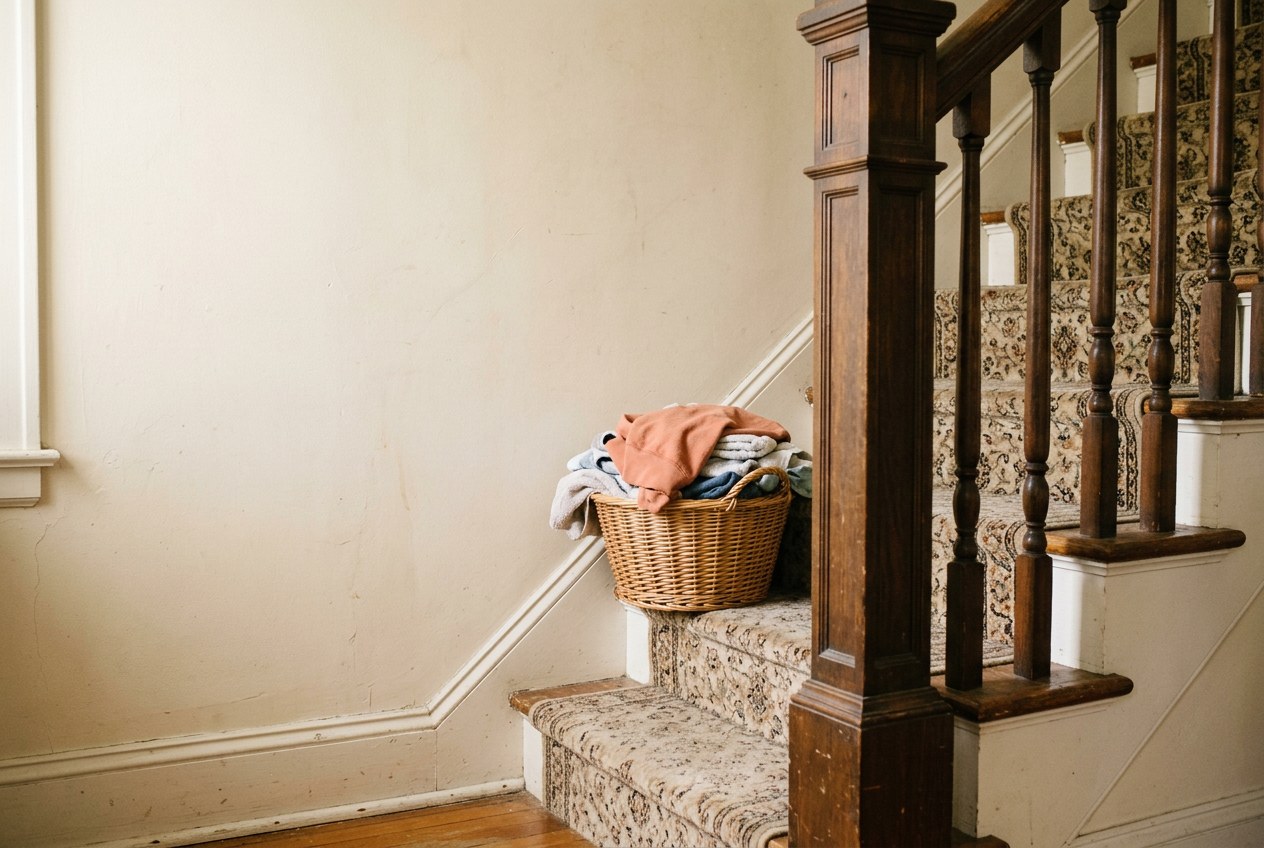
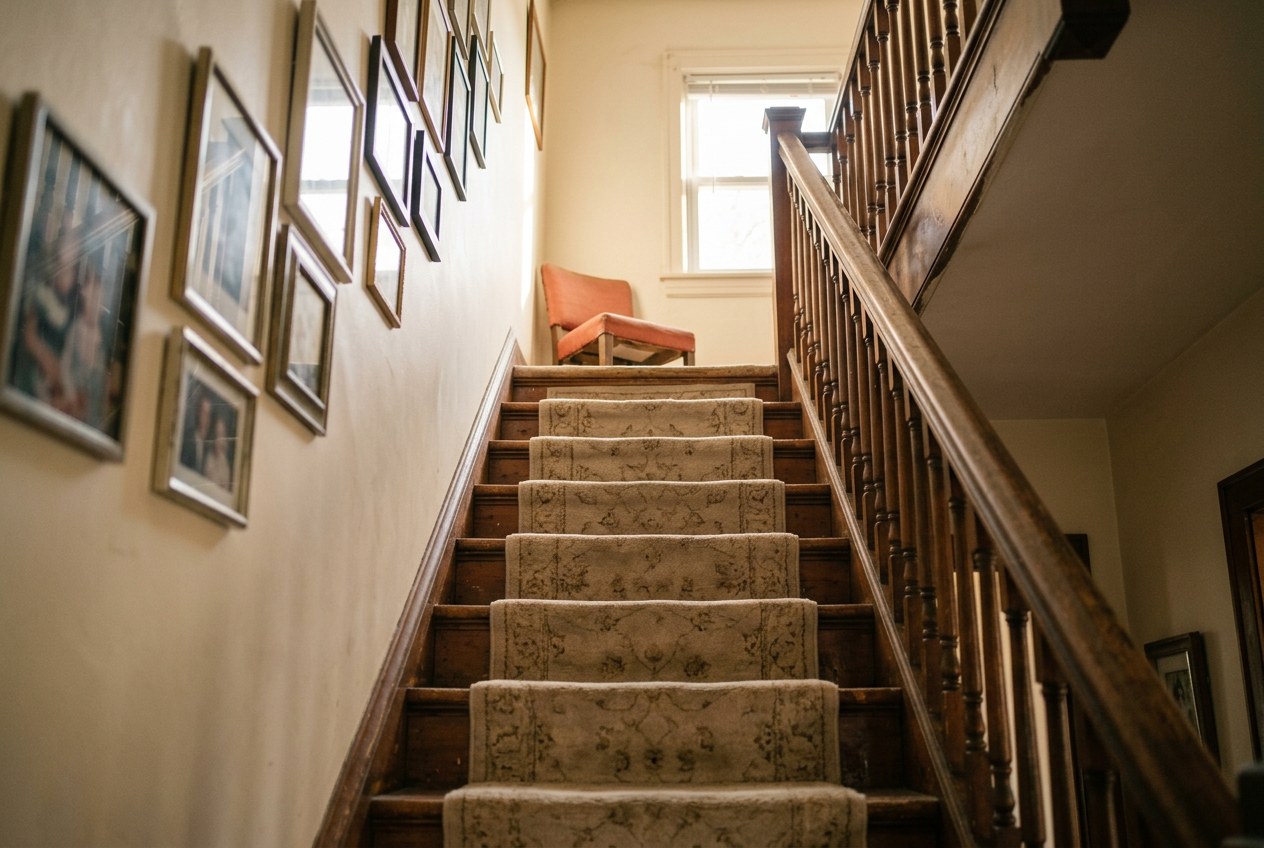
Keep objects off the steps. Add a light and switch at the top and bottom, and a handrail on both sides.1 If the climb itself is the problem, price a stair lift next.
See what a stair lift costs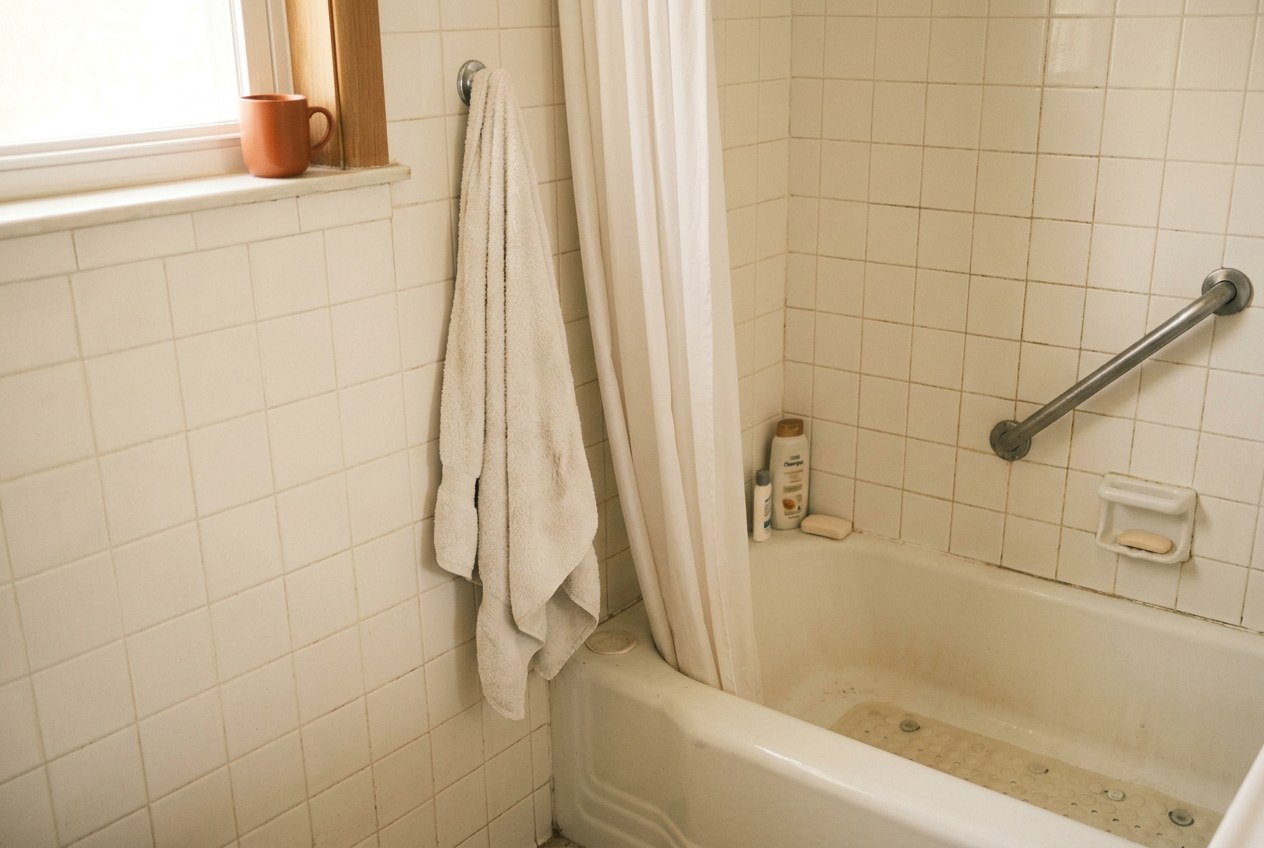
Bathroom
Put a non-slip mat or strips in the tub. Add grab bars next to and inside the tub, and next to the toilet.1
Read the bathroom safety guide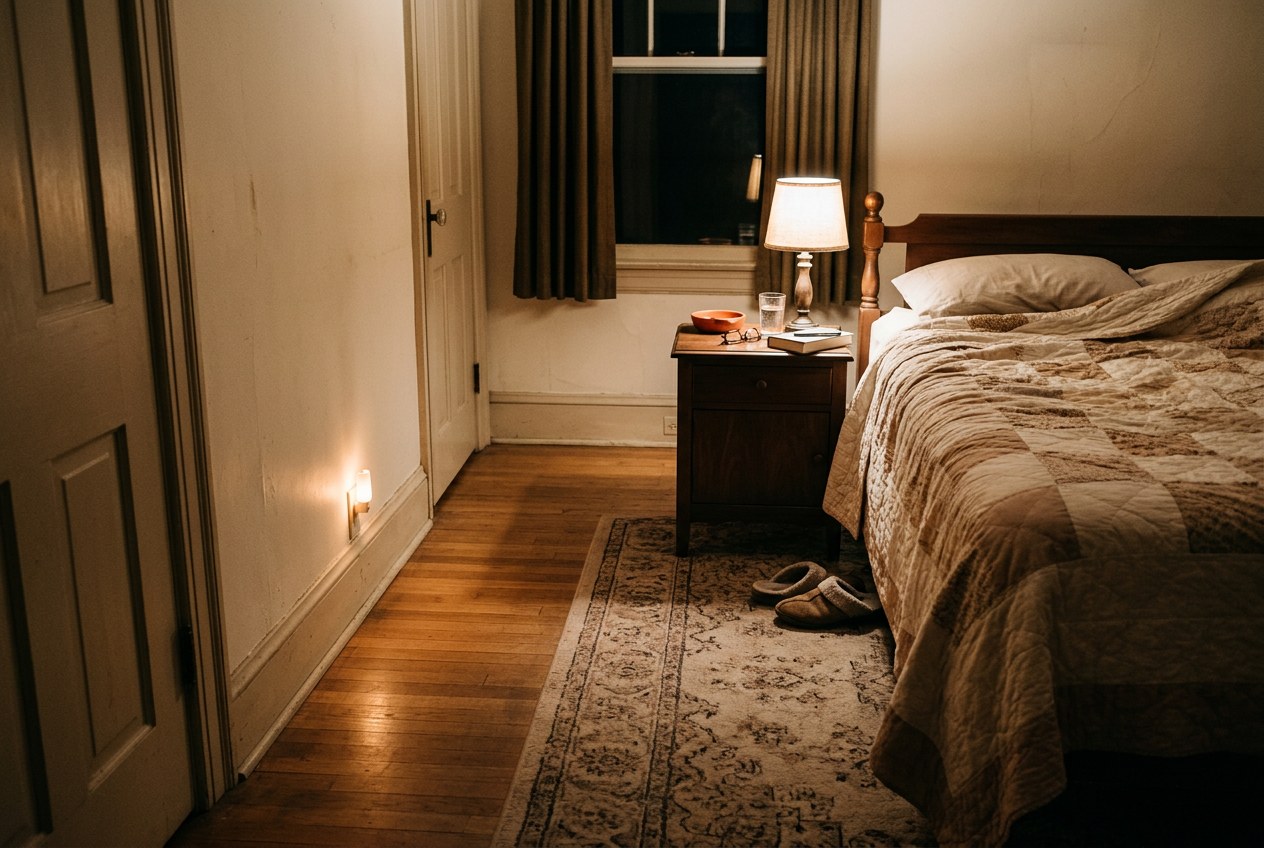
Small fixes that keep the way clear
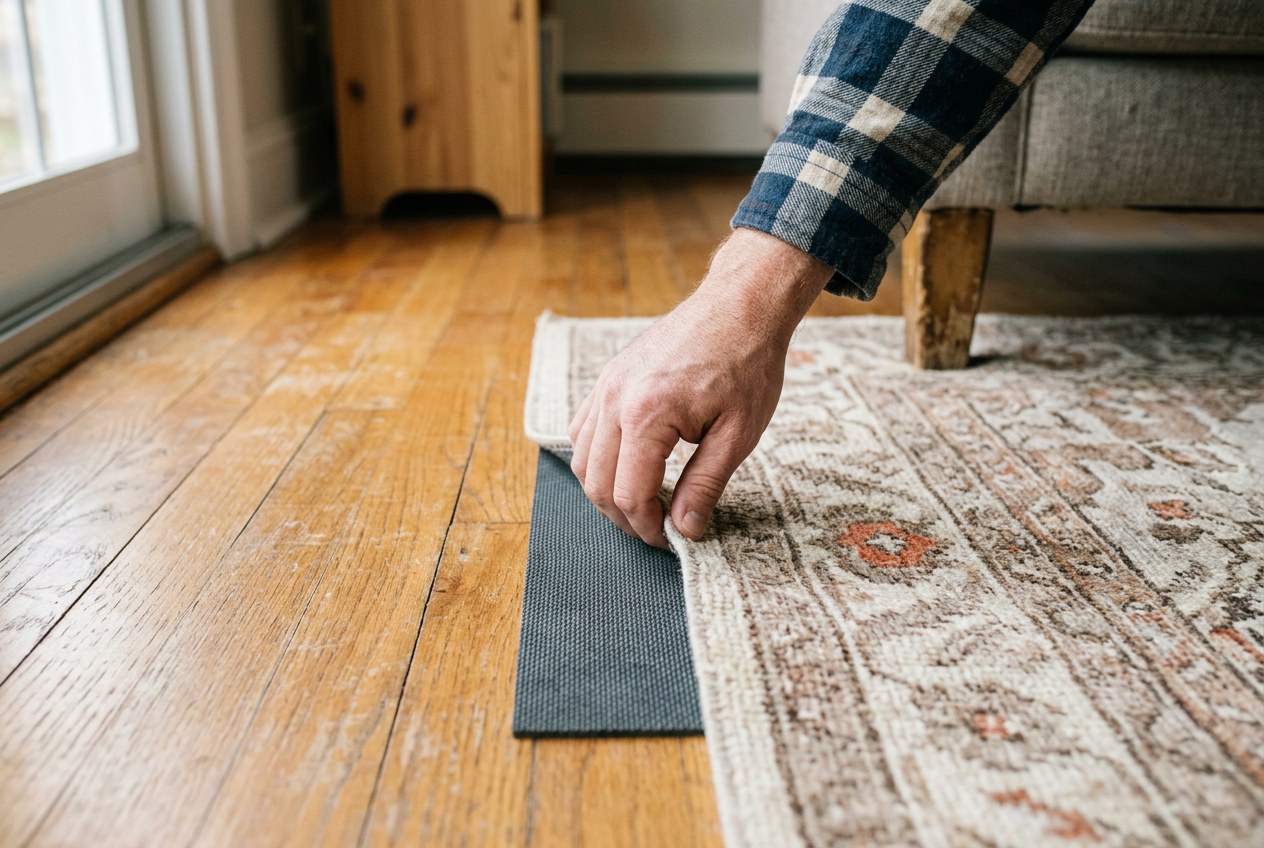
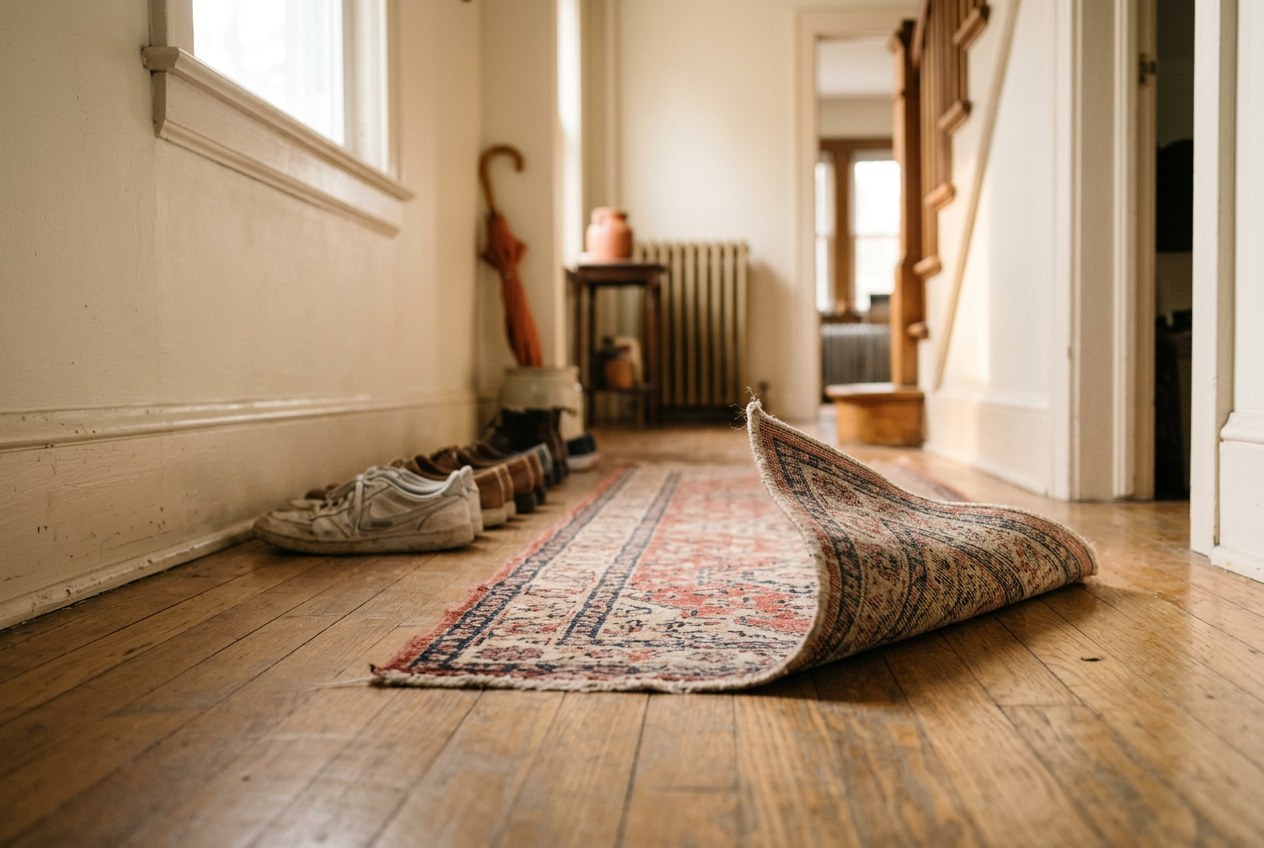
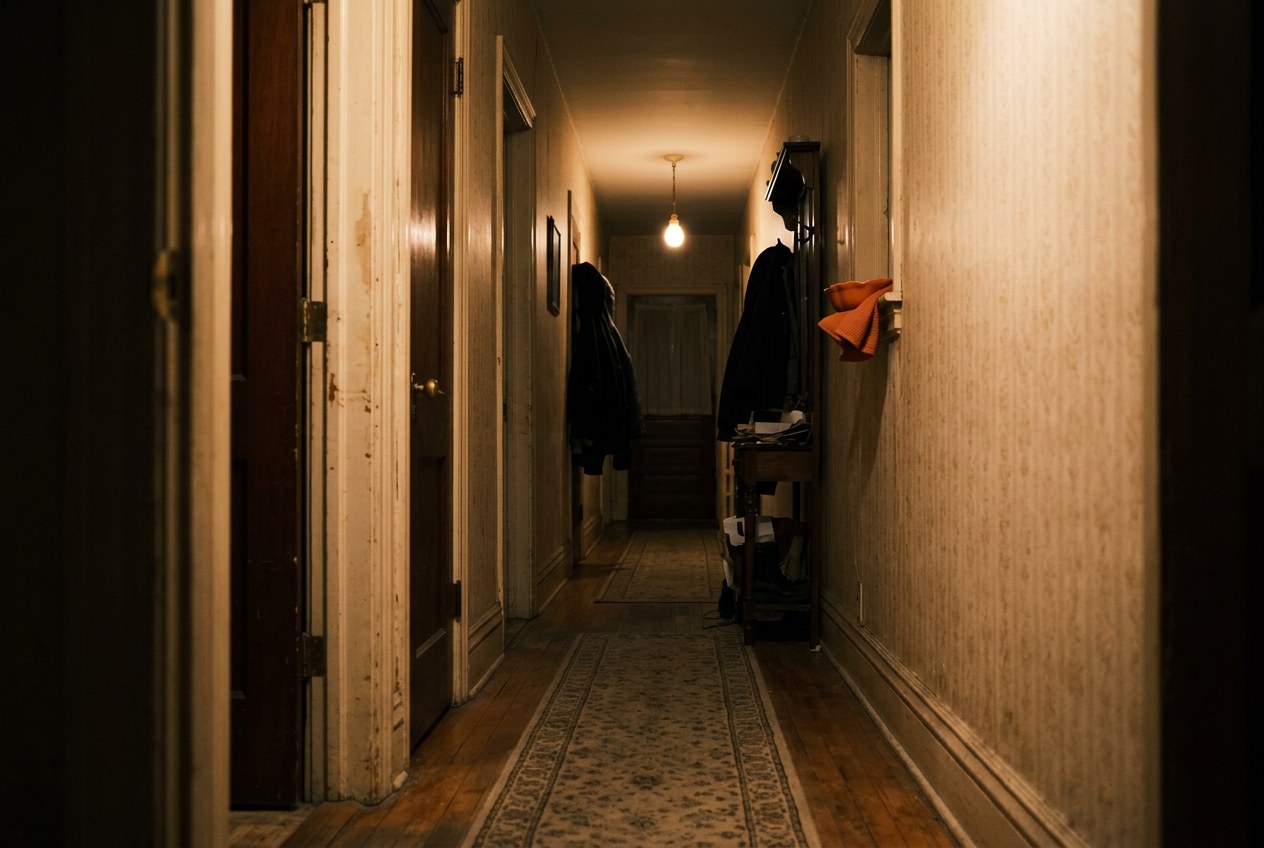
Clear the path. If your parent has to walk around furniture, move it so the way is open.1
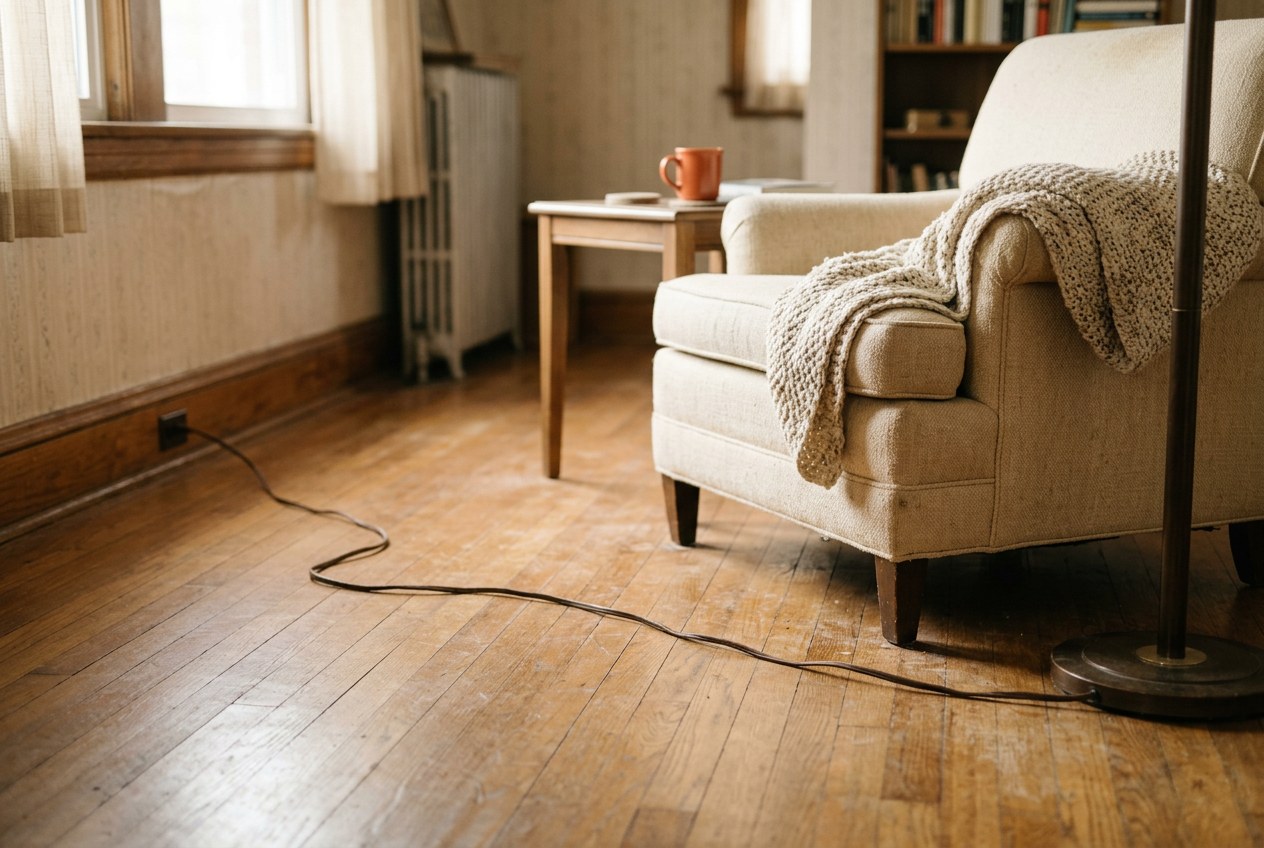
Coil or tape cords. Keep wires next to the wall. If needed, have an electrician add an outlet.1
Check the step stool. Use one with a bar to hold on to. Never use a chair as a step stool.1
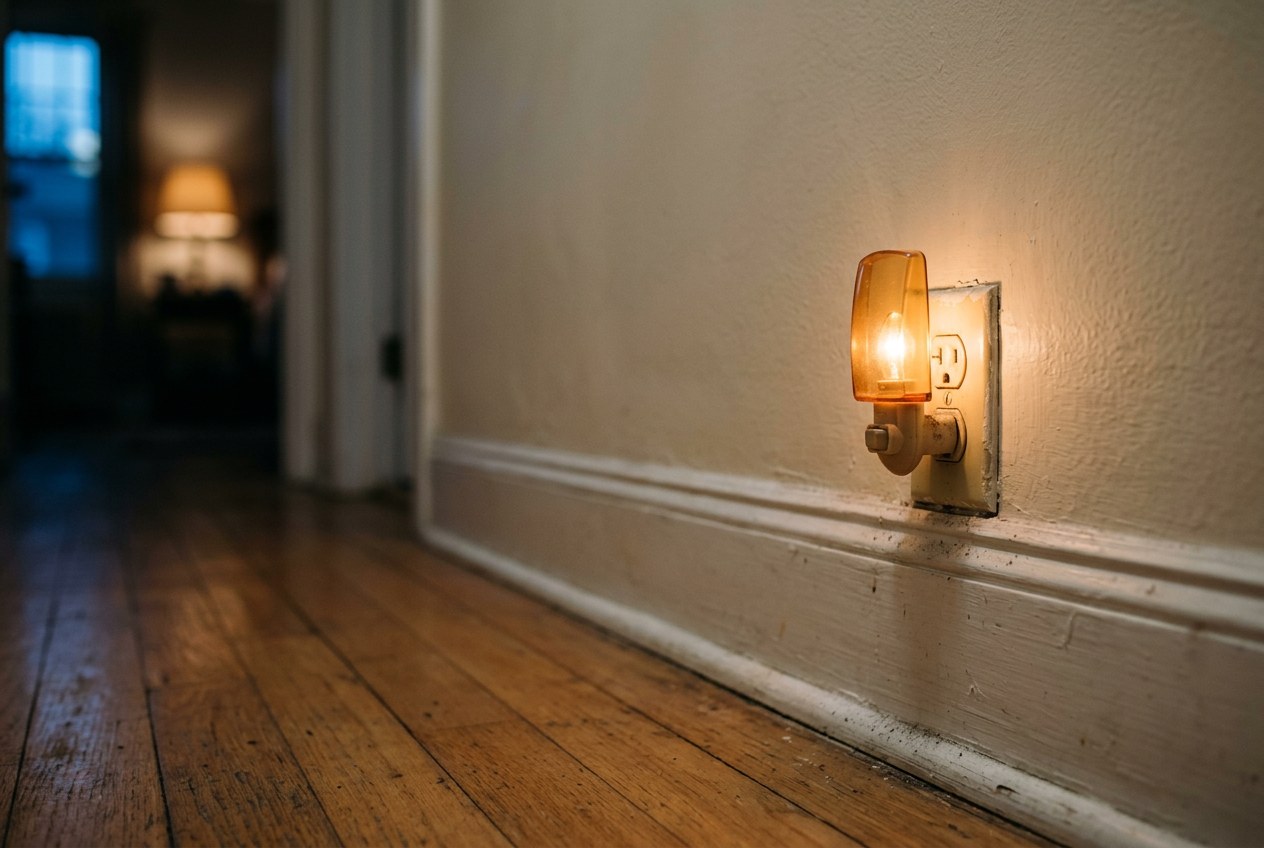
Change burned-out bulbs. Start with the stairway.1
Home safety checklist questions
Write down the discharge date. Before that day, clear and light the path from the bed to the bathroom, add grab bars and a non-slip mat in the bath, and decide how your parent will handle the stairs.1 The list above puts those in order.
Ask the hospital team, such as the social worker or an occupational therapist, before the discharge date. Your local Area Agency on Aging can also point you to help near your parent.4
Stairs and steps, floors, the kitchen, bathrooms and bedrooms. In each, look for clutter, loose rugs, cords, poor light, and missing grab bars or handrails.1
About 1 in 4 older adults report falling each year,2 so fixing the house first matters. Start with the three fixes above.
Before the discharge date, while your parent is still in the hospital or rehab. That way the house is ready the day your parent arrives.
Next to and inside the tub or shower, and next to the toilet.1 If you are unsure where, ask a handyperson or an occupational therapist to look.
Not always. Start with the stair fixes in the list above.1 If the climb itself is the problem, the stair lift guide covers the types and what to check.
Start with your local Area Agency on Aging.4
Eligible veterans can also ask about the VA home grant (called HISA). It may pay up to $6,800 for a service-connected condition. It may also pay that much when the veteran has a disability rating of 50 percent or more. Otherwise, the limit is $2,000.5
The VA page lists stair glides, its name for stair lifts, as excluded. Ask your VA prosthetics office.
Sources
Every number and fix on this page links here. Checked October 2026. No company pays us. Photos are illustrations made for this site and do not show real customers.
- Check for Safety: A Home Fall Prevention Checklist for Older AdultsCDC, 2017
- Older Adult Falls: facts and statsCDC, page updated September 4, 2026
- Older Adult Fall PreventionCDC, page updated January 27, 2026
- Eldercare LocatorU.S. Administration for Community Living, page modified March 2026
- Home Improvements and Structural Alterations (HISA)VA Prosthetic and Sensory Aids Service published February 2025, checked October 2026